
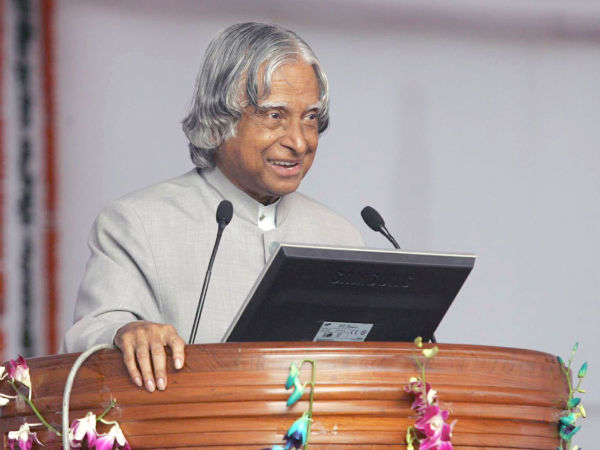
Dr. A. P. J. Abdul Kalam
Dr. A. P. J. Abdul Kalam (15 October 1931 - 27 July 2015) was an Indian aerospace scientist who served as the 11th President of India from 25 July 2002 to 25 July 2007. Before becoming President, he held senior science and defence roles in government and worked on space and missile programmes.
- Full name: Dr. Avul Pakir Jainulabdeen Abdul Kalam (President of India)
- Common name: A. P. J. Abdul Kalam (President of India)
- Category (Domain): Politics & Government
- Country: India
- Role/Office (primary): 11th President of India (25 July 2002 – 25 July 2007) (President of India)
- Current status: Deceased (Embassy of India)
- Party/Alliance: Independent (non-party public figure); supported by major parties during the 2002 presidential election (reported in election accounts). (Wikipedia)
- Constituency/Region: Not applicable (President is elected by an electoral college); closely associated with Tamil Nadu (born in Rameswaram). (President of India)
- Date of birth: 15 October 1931 (President of India)
- Place of birth: Rameswaram, Tamil Nadu, India (President of India)
- Date of death: 27 July 2015 (Embassy of India)
- Place of death: Shillong, India (Embassy of India)
- Education: Graduated in Science (St. Joseph’s College, Tiruchirappalli) in 1954; Aeronautical Engineering (Madras Institute of Technology) in 1957. (Principal Scientific Adviser)
- Profession/background before politics: Aerospace scientist and science administrator; worked in India’s space and defence programs; later served in senior government science roles before becoming President. (President of India)
Overview
A. P. J. Abdul Kalam is widely associated with India’s scientific and public institutions. Official biographies describe a career that began in engineering and moved into national-level science leadership, including work connected to India’s space and defence programmes. He later served a full term as President of India (2002-2007).
Early life and education
He was born on 15 October 1931 in Rameswaram, Tamil Nadu. Government profile material lists his education as a science degree completed in 1954 and aeronautical engineering completed in 1957.
Scientific and engineering career
ISRO and SLV-III (1970s-1980)
The official President of India biography credits him as Project Director of SLV-III, and notes the successful injection of the Rohini satellite into near-Earth orbit in July 1980.Defence programme leadership (1990s)
The official biography notes leadership roles connected to defence research and development, including work associated with missile programmes such as Agni and Prithvi during the period he led defence R&D responsibilities.Public service roles before the presidency
Scientific Adviser and government science leadership
- Scientific Adviser to Defence Minister & Secretary, Department of Defence R&D (DRDO): July 1992 - December 1999
- Principal Scientific Adviser to the Government of India: November 1999 - November 2001
- Professor, Technology & Societal Transformation, Anna University: from November 2001 (as listed in the official biography).
President of India
Kalam served as President of India from 25 July 2002 to 25 July 2007. In official biographies and public records, his presidency is often described alongside his earlier scientific career and his focus on education and development themes in public engagement.
Elections and appointments
2002 (Presidential election): Contested the presidential election and won, taking office on 25 July 2002. The Election Commission’s historical e-book notes his victory and margin.
Major initiatives and notable milestones
- July 1980: SLV-III successfully injected Rohini into near-Earth orbit (as stated in the official biography).
- 1996: Technology Vision 2020 (TIFAC) was released; government material credits leadership under Dr. Kalam for this exercise.
- July 1992 - December 1999: Held top defence R&D leadership roles linked in official bios to missile programme development work.
- November 1999 - November 2001: Served as Principal Scientific Adviser to the Government of India (official biography).
Publications
The President of India biography lists major books associated with him, including:
Awards and honours
Government profile material lists major national honours:
-
Padma Bhushan: 1981 (Principal Scientific Adviser)
-
Padma Vibhushan: 1990 (Principal Scientific Adviser)
-
Bharat Ratna: 1997 (Principal Scientific Adviser)
Public perception and notable debates
Commonly cited strengths:
Criticisms/controversies (verifiable, with context):
Legal cases:
Digital and Media
- Official website: No personal official website is consistently verified in the provided sources; the Government profile pages are the most authoritative references.
- Official social profiles: None verified in the provided sources.
- Featured image guidance: Use the Wikimedia Commons Government of India image under GODL-India licensing.
Table of Content
- Early life and education
- Scientific and engineering career
- ISRO and SLV-III (1970s-1980)
- Defence programme leadership (1990s)
- Public service roles before the presidency
- President of India
- Elections and appointments
- Major initiatives and notable milestones
- Publications
- Awards and honours
- Public perception and notable debates
- Commonly cited strengths:
- Criticisms/controversies (verifiable, with context):
- Legal cases:
- Digital and Media
Search Post
Categories
FAQs
Who was Dr. A. P. J. Abdul Kalam?
He was an Indian aerospace scientist who became the 11th President of India (2002-2007). Before the presidency, he held senior government science and defence roles and worked on national space and missile programmes.
What is A. P. J. Abdul Kalam’s full name?
His full name is Avul Pakir Jainulabdeen Abdul Kalam. He is widely known by the initials A. P. J. Abdul Kalam in official biographies and public references.
When was Abdul Kalam President of India?
He served from 25 July 2002 to 25 July 2007. This full five-year term is listed on the official President of India profile page.
What did he do before entering the presidency?
He is described as Independent, meaning he was not a party politician. The President of India profile focuses on his scientific and public service career rather than party roles.
What is one major space milestone linked to his career?
The official biography credits him with leadership on SLV-III, and notes Rohini was placed into near-Earth orbit in July 1980. This is described as part of India’s early indigenous satellite launch efforts.
What was Technology Vision 2020 and how is it linked to him?
A government document notes that Technology Vision 2020 (TIFAC) was released in 1996, with leadership credited under Dr. Kalam. The work is commonly referenced as a national-level planning exercise for science and technology priorities.
What was the 2006 “Office of Profit” bill episode?
Reports said he returned the bill for reconsideration and later gave assent after it was passed again. The discussion was framed as a constitutional and political debate, not a criminal allegation.
When and where did he die?
He died on 27 July 2015 in Shillong, India. This is stated in an official Embassy of India press release.